
Why Every Restaurant Should Use a Digital Menu Today
Running a restaurant in the United States today is very different from what it was a few years ago. Customers expect fast service, digital convenience, and a smooth dining experience.
Think about it — people use their smartphones for everything now. They order food online, pay with digital wallets, read reviews before visiting restaurants, and check menus on Google before entering.
Because of this shift in customer behavior, QR code menus have become one of the most powerful tools restaurants can use today.
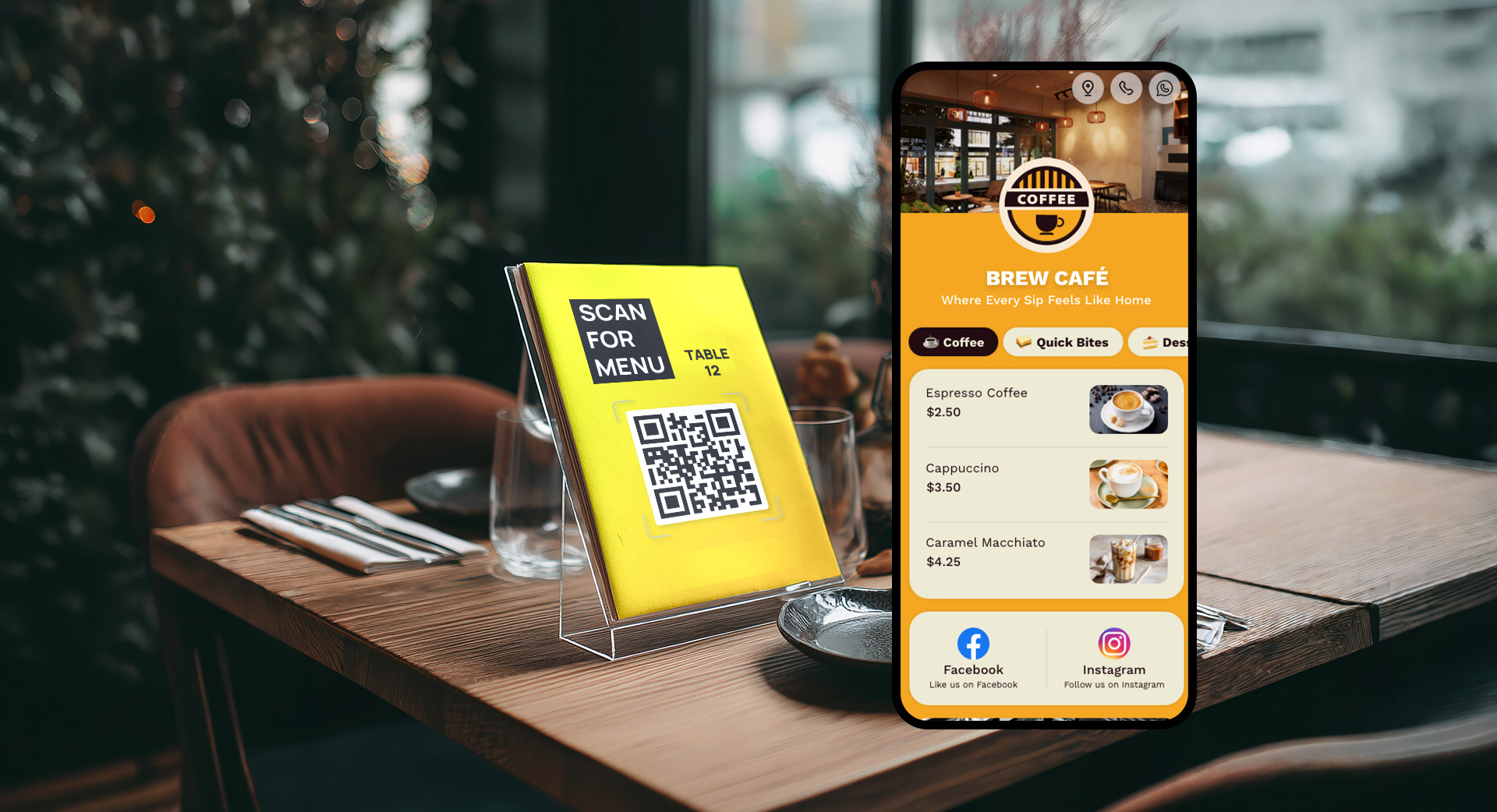
Instead of handing out printed menus, restaurants simply place a QR code on the table. Customers scan the code using their phone camera and instantly view the restaurant’s menu on their mobile screen.
This simple technology helps restaurants save money, improve service speed, and even increase sales.
In this guide, we’ll explain everything restaurant owners need to know about QR code menus and digital menus for restaurants in the USA.
What Is a QR Code Menu?
A QR code menu is a digital version of your restaurant menu that customers access by scanning a QR code.
When a customer scans the QR code using their smartphone, the code opens a mobile-friendly menu page where they can browse all your dishes.
A digital menu typically includes:
• Food categories
• Dish names and prices
• Food descriptions
• Images of dishes
• Special offers or combos
Some advanced QR menu systems also allow customers to:
• Order directly from the table
• Call the waiter
• Pay online
• Leave feedback
Instead of printing and distributing menus, the entire experience becomes digital and contactless.
Why QR Code Menus Are Growing Fast in the USA
Restaurants across the United States are rapidly adopting QR code menus, and the reason is simple — they solve multiple problems at once.
Let’s look at the key reasons.
1. Customers Are Comfortable Using QR Codes
In the past, QR codes were rarely used in restaurants.
Today, almost every customer knows how to scan one.
Smartphones automatically recognize QR codes through the camera app, making the process effortless. Customers simply point their phone at the code and the menu opens instantly.
Because scanning QR codes has become common in daily life, customers feel comfortable using them in restaurants as well.
2. Restaurants Want to Reduce Printing Costs
Menu printing is one of the hidden expenses many restaurant owners underestimate.
Menus need to be reprinted frequently because of:
• Price changes
• New dishes
• Seasonal menus
• Wear and tear
A busy restaurant may print hundreds of menus every year.
With a digital QR menu, you only print the QR code once.
Whenever you want to update your menu, you simply update it online. Customers automatically see the latest version.
This can save restaurants thousands of dollars in printing costs over time.
3. Faster Service and Table Turnover
One of the biggest challenges in restaurants is slow service during busy hours.
Customers often wait several minutes just to receive the menu.
With a QR menu, the experience becomes much faster.
As soon as customers sit at the table, they can scan the QR code and start browsing the menu immediately.
This reduces waiting time and helps customers decide faster, which leads to quicker ordering and faster table turnover.
For restaurants, this means serving more customers during peak hours.
4. Better Customer Experience
A printed menu has limited space.
A digital menu can provide much more information.
Restaurants can include:
• High-quality food images
• Ingredients and descriptions
• Dietary labels (vegan, gluten-free)
• Popular dishes
• Chef recommendations
This helps customers understand dishes better and feel more confident about their choices.
When customers clearly see what they are ordering, they are also more likely to try new items.
5. Digital Menus Increase Sales
One major advantage of digital menus is visual presentation.
Food photos can significantly influence customer decisions.
For example, a printed menu may simply list:
Chicken Burger – $8
But a digital menu can display:
• A mouth-watering burger photo
• Ingredients
• Combo options
• Add-ons like cheese or fries
This type of presentation encourages customers to order more items, increasing the average order value.
6. Easy Menu Updates
Restaurants often face situations where certain dishes sell out quickly.
With printed menus, this can create confusion for both customers and staff.
Digital menus solve this problem.
Restaurant owners can instantly:
• Remove sold-out dishes
• Add new items
• Change prices
• Highlight daily specials
The update happens instantly and customers always see the correct menu.
QR Code Menu vs Traditional Printed Menu
To understand the difference clearly, let’s compare both systems.
| Feature | Printed Menu | QR Code Menu |
|---|---|---|
| Menu updates | Slow | Instant |
| Printing cost | High | Very low |
| Food images | Limited | Unlimited |
| Promotions | Hard to change | Easy to update |
| Customer data | None | Available |
| Hygiene | Shared menus | Contactless |
Because of these advantages, QR code menus are becoming a standard tool for modern restaurants.
Where Restaurants Place QR Code Menus
Placement plays an important role in how often customers scan the menu.
Restaurants typically place QR codes in the following locations.
Table Stands
The most common placement.
A small stand on the table displays the QR code along with instructions like “Scan to View Menu.”
Table Stickers
Some restaurants place QR code stickers directly on the table surface.
This ensures the code is always visible.
Counter Displays
Quick service restaurants often place QR codes near the ordering counter.
Customers can scan the menu while waiting in line.
Window Displays
QR codes near the restaurant entrance allow customers to check the menu before entering.
This can attract walk-in customers.
Takeaway Packaging
Some restaurants print QR codes on takeaway bags or packaging.
Customers can scan later and order again.
Best Practices for Creating a QR Code Menu
Simply generating a QR code is not enough. The menu experience must also be well designed.
Here are some best practices.
1. Make the Menu Mobile Friendly
Most customers view QR menus on their smartphones.
The menu should be:
• Easy to read
• Fast loading
• Clearly organized
• Simple to navigate
Avoid cluttered layouts that make it difficult for customers to browse.
2. Use High Quality Food Images
Food images are extremely powerful.
A good photo can make customers instantly crave a dish.
Restaurants that include high-quality images often see better engagement and higher orders.
3. Organize the Menu Clearly
A good digital menu should have clear categories such as:
Starters
Main Course
Burgers
Pizza
Pasta
Drinks
Desserts
Well-organized menus help customers quickly find what they want.
4. Highlight Popular Items
Customers often appreciate recommendations.
Restaurants can highlight sections like:
• Best Sellers
• Chef Specials
• Customer Favorites
This helps guide customer decisions.
5. Keep the QR Code Visible
The QR code should be large enough and placed where customers naturally look.
If the QR code is too small or poorly printed, customers may struggle to scan it.
A clear, high-quality QR code improves scanning success.
How QR Menus Help Restaurants Increase Revenue
Many restaurant owners initially adopt QR menus to reduce printing costs.
But the real advantage is increasing sales.
Here’s how digital menus help.
Upselling Opportunities
Digital menus can easily suggest upgrades such as:
Add cheese
Add extra toppings
Make it a combo
Upgrade drink size
These small add-ons can significantly increase revenue.
Visual Cravings
Food images stimulate appetite.
Customers often order desserts or drinks simply because they see attractive photos in the menu.
Promoting Special Offers
Restaurants can highlight promotions like:
Lunch combos
Happy hour deals
Weekend specials
These offers can be updated anytime without reprinting menus.
The Future of Digital Menus
The restaurant industry is becoming more digital every year.
QR code menus are just the beginning.
In the future, digital menus may include:
• AI-based food recommendations
• Personalized menus
• Mobile ordering
• Table-side payment
• Loyalty rewards integration
Restaurants that adopt digital tools early will have a strong advantage in customer experience and operational efficiency.
Final Thoughts
QR code menus have become one of the smartest upgrades restaurants can make today.
They are simple to implement, cost-effective, and extremely convenient for customers.
A well-designed digital menu for restaurants can help you:
• Reduce printing costs
• Improve service speed
• Increase average order value
• Update menus instantly
• Deliver a modern dining experience
For restaurant owners in the United States, adopting a QR code menu for restaurants is not just a technology upgrade — it’s a step toward building a smarter, more efficient restaurant.
Leave a Reply